Types of Hair Loss Problems
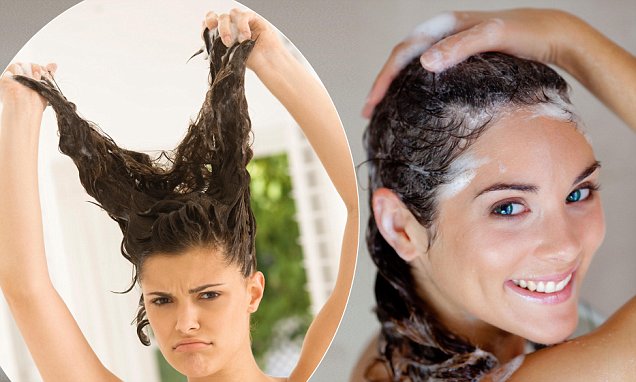
Alopecia is the excessive hair loss that occurs in humans and it takes different forms. However, all forms of hair loss have something in common and this is that all forms of hair loss occur when something goes wrong in the body. Normally, hairs are supposed to remain in the body where they belong but you begin to notice excessive loss of hair it might be an indication that hormonal imbalance or some other causes is responsible. Hair loss problem ranges from simple genetic possession that cause hair loss to a wide range of other host of disease. In this article, we will look at the different forms in which hair loss problems occur.
Before we do this, it is important to note that Involutional alopecia is a natural condition. It is that condition that occurs with aging in which most of the hairs go into resting stage leader to shorter fewer hairs. This is not a form of hair loss disease.
Common Hair Loss Problems
1. Androgenic alopecia
Androgenic alopecia is what is commonly referred to as baldness. It can occur in both males and females. In males it is known as male pattern baldness and it starts in early twenties. The symptoms include receding hairline and loss of hairs especially on the crown of the head. In women, it is called female pattern balding and it doesn’t start until late forties, around the time of menopause. With women, there is thinning over the entire scalp with more loss occurring on the scalp.
2. Anagen Effluvium
Anagen effluvium is a hair loss disorder that involves sudden loss of hairs that are just in their growing phase referred to as the anagen phase. The major cause of this condition is exposure to harsh materials such as chemicals and toxins such as those that occur in chemotherapy radiations. This condition is generally reversible when the exposure stops but severe exposures can cause permanent hair loss.
3. Alopecia areata
Alopecia areata is a sudden hair loss disease that causes patchy hair loss in children and young adults. About 90% of people with this condition grow to recover their hair in five years’ time. The severe case known as alopecia totalis may lead to permanent loss of hair.
4. Scalp Folliculitis
Scalp folliculitis is a form of hair loss that is commonly caused by bacteria infection. In this condition, hair follicles swell due to blockage or tissue damage. In severe cases, the hair follicle is damaged and this leads to hair loss.
No matter the form in which the hair loss problems occur, suitable methods of treatment have been developed by hair specialists. If you want to talk to a doctor who will prescribe treatments that are most appropriate for your case, visit us on https://www.yourhairlossexpert.com/.