Aromatherapy Diffuser: Enhancing Well-Being with the Power of Fragrance

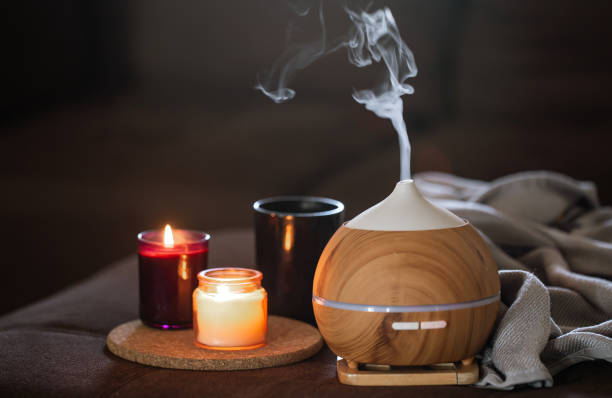
Aromatherapy has been utilized for centuries as a natural healing practice, promoting relaxation, reducing stress, and enhancing overall well-being. An integral part of modern aromatherapy is the aromatherapy diffuser, a device that disperses essential oils into the air, filling the surroundings with delightful fragrances and therapeutic benefits. This article delves into the concept of aromatherapy diffusers, their various types, working mechanisms, and the potential health advantages they offer.
What is an Aromatherapy Diffuser?
An aromatherapy diffuser is a specialized device designed to disperse essential oils into the air, allowing their aromatic properties to be inhaled and absorbed by the body. These diffusers create a tranquil ambiance while unlocking the powerful healing potential of essential oils, which are extracted from various parts of plants and possess unique therapeutic properties.
Types of Aromatherapy Diffusers
-
Ultrasonic Diffusers: Utilizing ultrasonic vibrations, these diffusers break down essential oils into micro-particles, creating a fine mist that is released into the air. They also double as humidifiers, adding moisture to the atmosphere and making them ideal for dry environments.
-
Nebulizing Diffusers: Nebulizers disperse undiluted essential oil directly into the air in the form of a concentrated mist. They are considered one of the most potent diffusers as they do not alter the chemical composition of the oils, preserving their therapeutic qualities.
-
Heat Diffusers: Heat diffusers use gentle heat to vaporize essential oils and release their aroma into the air. However, some experts argue that heat may degrade the oils' properties to some extent.
-
Evaporative Diffusers: These diffusers allow essential oils to evaporate naturally, with a fan or air currents helping to disperse the aroma. They are often portable and suitable for small spaces.
How Aromatherapy Diffusers Work
Regardless of the type, aromatherapy diffusers function with the same basic principle. They break down essential oils into smaller particles, facilitating their dispersion in the air. Once inhaled, these aromatic molecules interact with the olfactory system and the limbic system in the brain, influencing emotions, moods, and even physiological responses.
Health Benefits of Aromatherapy Diffusers
-
Stress Reduction: Certain essential oils, such as lavender and chamomile, have calming properties that can alleviate stress, anxiety, and promote relaxation when diffused.
-
Improved Sleep: Aromatherapy diffusers with sleep-inducing oils like lavender or cedarwood may improve sleep quality and help with insomnia.
-
Mood Enhancement: Energizing oils like citrus scents can uplift moods and boost focus and productivity.
-
Respiratory Benefits: Eucalyptus and peppermint oils can help clear nasal passages and support respiratory health when diffused.
-
Pain Relief: Some essential oils, such as ginger or peppermint, possess analgesic properties that may help ease headaches or muscle pain when diffused.
Conclusion
Aromatherapy diffusers have emerged as valuable tools for individuals seeking natural and holistic ways to improve their physical and emotional well-being. Whether through ultrasonic, nebulizing, heat, or evaporative diffusion, these devices offer a range of options to suit various preferences and needs. By harnessing the therapeutic potential of essential oils, aromatherapy diffusers create an oasis of tranquility, promoting relaxation, stress reduction, and other health benefits that elevate both mind and body. As with any alternative therapy, it is essential to use high-quality essential oils and follow manufacturer instructions for safe and effective use. Incorporating aromatherapy diffusers into daily routines can lead to a more balanced and harmonious lifestyle, enhancing the overall quality of life for individuals seeking a natural path to wellness.