Citrus
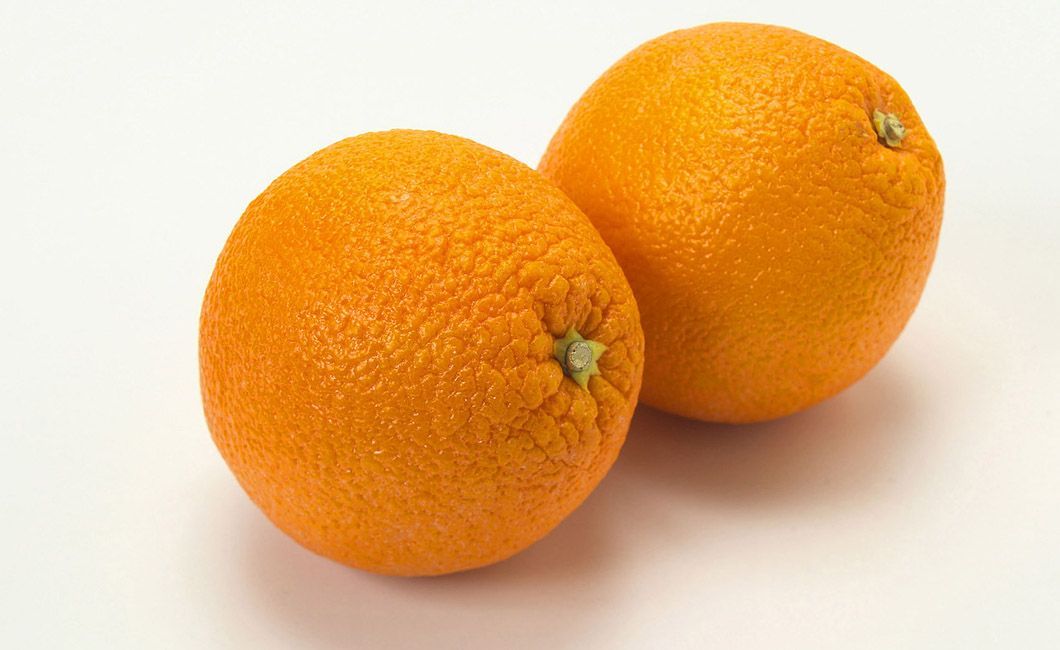
Oranges
Navel oranges are easy to spot in your produce aisle. They're the ones with the button formation opposite the stem end. Considered the world's finest orange for eating, navels are seedless, and they peal and segment easily
Primarily grown for processing and orange juice production, Valencia, oranges have seeds, varying number from zero to seven per fruit however, its excellent taste internal color make it desirable for the fresh markets, too the fruit has an average diameter of 2.7 to 3 inches (70 – 76 mm ) . After bloom, it’s usually carries two crops on the tree
An Egyptian Variety of an unidentified origin, but with an extensive production in Egypt.It ripens in the begging of the citrus season and it is considered to be a good substitute for Valencia Oranges.
Lemon
The lemon is both a small evergreen tree, and the tree's ellipsoidal yellow fruit. The fruit is used for culinary and non-culinary purposes throughout the world – primarily for its juice, though the pulp and the rind are also used, mainly in cooking and baking. Lemon juice is about 5% to 6% (approximately 0.3M) citric acid, which gives lemons a sour taste, and a PTL of 2-3.Many lemon flavored drinks and foods are available, including lemonade and sherbet lemons. The distinctive sour taste of lemon juice makes it a key ingredient in many dishes across the world..
