Zinc Oxide: Pioneering the Path to Sustainable Agriculture and Environmental Remediation

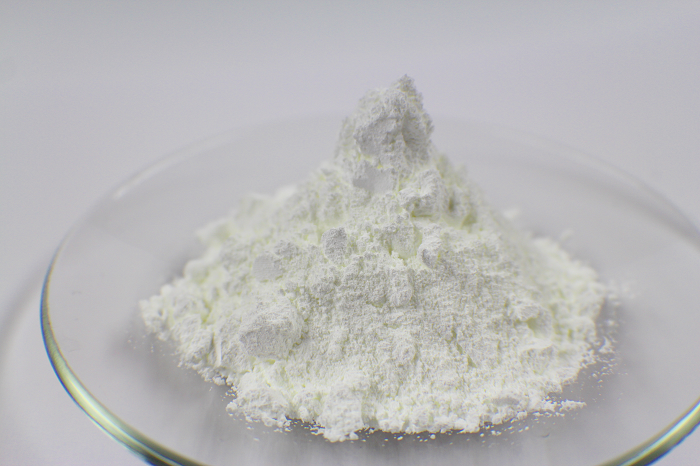
Zinc oxide, chemical formula ZnO, is a remarkable inorganic compound that has been captivating scientists and industries for centuries. This versatile substance finds application in an array of fields, ranging from medicine and cosmetics to electronics and agriculture. Its unique properties and wide-ranging applications have made it a vital component in numerous products that impact our daily lives. In this article, we will explore the various facets of zinc oxide, its properties, applications, and the significant role it plays in shaping modern technology and society.
Properties of Zinc Oxide
Zinc oxide boasts several remarkable properties that make it stand out among other inorganic compounds. Firstly, it exists in various forms, including white powder, nanoparticles, and crystals, each with distinct characteristics. It is known for its wide bandgap, which enables it to possess semiconducting properties. This property is particularly significant in the electronics industry, where zinc oxide plays a crucial role in manufacturing transistors, sensors, and light-emitting diodes (LEDs).
Another notable property of zinc oxide is its excellent photoconductivity, making it ideal for use in photovoltaic devices like solar cells. Its ability to absorb ultraviolet (UV) radiation has made it a popular choice for sunscreen formulations to protect the skin from harmful UV rays.
Applications of Zinc Oxide
1. Sunscreens and Cosmetics: Zinc oxide's UV-blocking properties make it a staple ingredient in sunscreens and skincare products. It forms a physical barrier on the skin, reflecting and scattering UV rays, providing protection against sunburn and skin damage.
2. Electronics: As a wide-bandgap semiconductor, zinc oxide is extensively used in electronic components, including transistors, sensors, and piezoelectric devices.
3. Nanotechnology: The unique properties of zinc oxide nanoparticles find applications in drug delivery systems, water purification, and as antimicrobial agents in various products.
4. Rubber and Plastics: Zinc oxide acts as an activator in the vulcanization process of rubber, enhancing its mechanical properties.
5. Agriculture: In agriculture, zinc oxide is utilized as a micronutrient fertilizer to prevent zinc deficiency in plants, promoting healthier crop growth.
6. Ceramics and Glass: Zinc oxide is added to ceramics and glass to enhance their physical and chemical properties.
Impact on Environment and Health
Zinc oxide's widespread use raises questions about its impact on the environment and human health. While it is generally considered safe for topical use in sunscreens, concerns arise when nanoparticles are inhaled or ingested. Research is ongoing to better understand its potential long-term effects.
Conclusion
Zinc oxide, with its multifaceted properties and versatile applications, continues to play a crucial role in shaping various industries and technologies. From protecting our skin from harmful UV rays to enabling breakthroughs in electronics and nanotechnology, this inorganic marvel showcases its importance in modern society. However, as we harness its potential, it is vital to continue research to ensure responsible usage and mitigate any potential adverse effects on both the environment and human health.