Watering the Fields of Growth: An Overview of the Irrigation Machinery Market

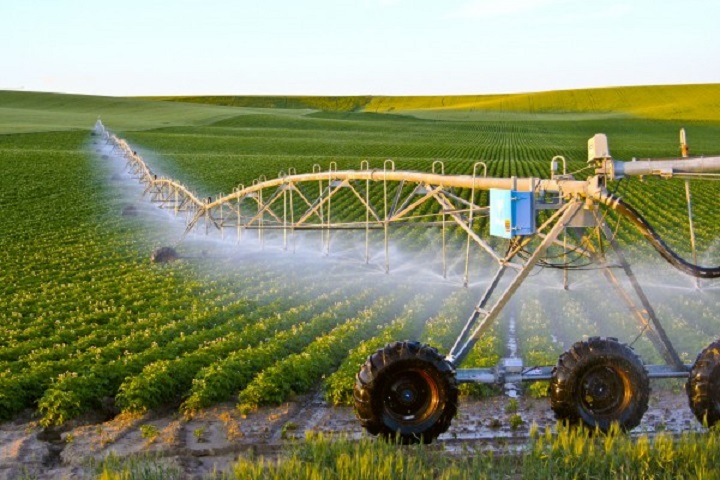
In the realm of agriculture, the importance of efficient and sustainable irrigation practices cannot be overstated. With the global population on a steady rise and climate change posing new challenges, ensuring food security and maximizing crop yields has become more crucial than ever. This brings us to the irrigation machinery market, a pivotal sector that plays a significant role in enhancing agricultural productivity and water management.
The irrigation machinery market has witnessed remarkable growth in recent years, driven by advancements in technology and increasing awareness of the need for water-efficient solutions. Traditional irrigation methods are giving way to sophisticated and automated systems, offering precise control over water distribution while conserving this precious resource. Center pivots, drip irrigation, and sprinkler systems are among the most popular types of irrigation machinery in use today. These innovations not only help increase crop yield but also minimize water wastage and reduce labor costs, making them an attractive choice for farmers worldwide.
Moreover, the integration of IoT (Internet of Things) and AI (Artificial Intelligence) technologies has further revolutionized the irrigation machinery landscape. Smart irrigation systems can now analyze real-time data such as weather patterns, soil moisture levels, and crop requirements to optimize irrigation schedules automatically. This level of precision enables farmers to make well-informed decisions, leading to higher yields and better resource management. As a result, both small-scale and large-scale agricultural operations are increasingly adopting these cutting-edge technologies to stay competitive and sustainable in the face of unpredictable climatic conditions.
While the irrigation machinery market is experiencing a period of significant growth, there remain some challenges to address. Affordability and accessibility can still be obstacles for small-scale farmers in certain regions, hindering widespread adoption. However, governments and private enterprises are increasingly investing in research and development to make irrigation machinery more cost-effective and tailored to suit the diverse needs of farmers worldwide.
In conclusion, the irrigation machinery market holds great promise for transforming global agriculture. As the world continues to grapple with the pressures of feeding a growing population and mitigating environmental impacts, investing in advanced irrigation solutions becomes essential. The convergence of technology and agriculture is paving the way for a more sustainable future, where watering the fields of growth will be driven by innovation and ingenuity.