Vegetable Seed: Cultivating the Future of Flavorful Farming

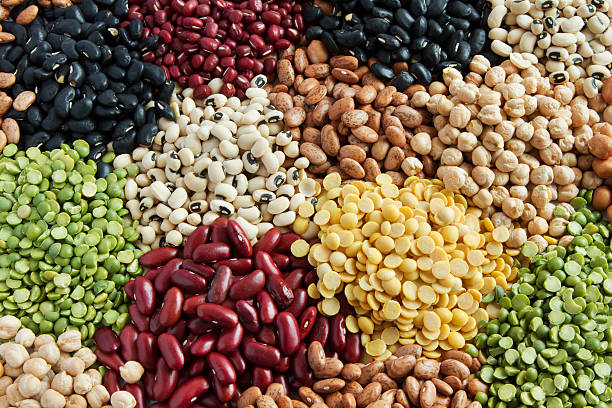
Vegetable seeds form the very foundation of agricultural and horticultural practices, serving as the catalyst for growing a diverse array of nourishing and delicious vegetables. The significance of quality vegetable seeds cannot be overstated, as they hold the potential to yield bountiful crops, sustainably feed communities, and contribute to a healthier planet. This article explores the essence of vegetable seeds, their types, importance, and the best practices for their successful cultivation.
Understanding Vegetable Seeds:
Vegetable seeds are the embryonic plants encased in a protective coat, encompassing the genetic blueprint that determines a plant's characteristics, growth pattern, and flavor profile. They embody the genetic diversity and resilience of vegetables and play a critical role in maintaining biodiversity. From common favorites like tomatoes, carrots, and lettuce to exotic varieties like purple cauliflower or rainbow chard, vegetable seeds unlock a world of culinary wonders.
Types of Vegetable Seeds:
-
Open-Pollinated Seeds: These are non-hybrid seeds, naturally pollinated by wind, insects, or other means. They produce plants that closely resemble their parent plants, making them ideal for seed-saving and preserving heirloom varieties.
-
Hybrid Seeds: Hybrid vegetable seeds result from cross-pollination between two different plant varieties. They are often bred to possess specific traits, such as disease resistance, improved yield, or better flavor.
-
Heirloom Seeds: These seeds have a rich history, passed down through generations, maintaining their original characteristics. They are valued for their unique flavors, colors, and shapes, offering a sense of heritage to gardeners.
Importance of Quality Vegetable Seeds:
High-quality vegetable seeds are the cornerstone of successful agriculture and gardening. They ensure consistent germination rates, disease resistance, and vigorous growth. Planting inferior seeds can lead to poor yields, crop failure, and economic losses for farmers. Additionally, using reliable seeds contributes to sustainable agriculture by reducing the need for excessive chemical inputs.
Factors Affecting Seed Viability:
The viability and longevity of vegetable seeds can be influenced by several factors, including temperature, humidity, and storage conditions. Properly storing seeds in a cool, dry, and dark environment can extend their shelf life significantly, maintaining their germination potential for years.
Best Practices for Cultivating Vegetable Seeds:
-
Selecting the Right Seeds: Choose seeds adapted to your region's climate and growing conditions, ensuring a higher chance of success.
-
Germination and Transplanting: Follow proper germination practices, either directly sowing seeds or starting seedlings indoors, before transplanting them into the garden.
-
Soil Preparation: Prepare the soil with organic matter, nutrients, and adequate drainage to create an optimal environment for seedling growth.
-
Watering and Care: Provide consistent watering, adequate sunlight, and protection from pests and diseases to promote healthy plant development.
Conclusion:
In conclusion, vegetable seeds are the life force of agriculture, encapsulating the potential to yield nourishing and flavorsome vegetables. Understanding the types of seeds, their importance, and best cultivation practices empowers gardeners and farmers to make informed decisions for sustainable and productive harvests. Embracing the wonders of vegetable seeds not only enriches our dining tables with a variety of produce but also fosters a deeper connection with the natural world and the cycle of life that sustains us all.