Sulfur Coated Urea: Nurturing Soil Health and Enhancing Yield Potential

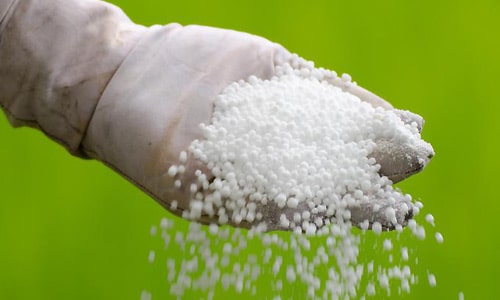
Sulfur Coated Urea (SCU) is a cutting-edge innovation in the realm of agricultural fertilizers. As the global population continues to rise, the demand for food production escalates, putting immense pressure on agricultural systems. To address the challenges of sustainable agriculture and environmental conservation, researchers and scientists have developed Sulfur Coated Urea as an eco-friendly and efficient alternative to conventional urea fertilizers. This controlled-release fertilizer has gained widespread attention for its ability to optimize nutrient delivery to crops, reduce nutrient leaching, and minimize environmental impact.
1. What is Sulfur Coated Urea?
Sulfur Coated Urea is a granular fertilizer comprising urea granules encapsulated with a layer of elemental sulfur. The coating process typically involves the application of molten sulfur onto the urea granules, followed by controlled cooling to form a solid sulfur layer around each granule. This coating provides a unique mechanism for releasing nutrients to the soil and plants gradually.
2. Controlled-Release Mechanism
The controlled-release mechanism of SCU ensures a steady and continuous supply of nitrogen to crops over an extended period. The sulfur coating acts as a semi-permeable barrier, allowing water to penetrate and react with the sulfur, producing sulfuric acid. This acidification process gradually breaks down the sulfur-coated layer, releasing urea into the soil. As a result, the nutrients become available to plants in a controlled manner, reducing the risk of nutrient wastage and leaching.
3. Benefits of Sulfur Coated Urea
3.1. Enhanced Nutrient Use Efficiency: SCU's controlled-release mechanism ensures that nutrients are available to plants when they need them most, improving nutrient uptake and utilization. This, in turn, enhances crop yield and reduces the need for frequent fertilization.
3.2. Reduced Environmental Impact: Unlike conventional urea fertilizers, SCU minimizes nutrient runoff and leaching, which are major contributors to water pollution and eutrophication. By decreasing nutrient losses, SCU helps protect water bodies and preserves the health of aquatic ecosystems.
3.3. Mitigation of Greenhouse Gas Emissions: SCU has been found to reduce nitrous oxide emissions, a potent greenhouse gas produced from the breakdown of nitrogen-based fertilizers. This reduction in emissions contributes to mitigating the impact of agriculture on climate change.
3.4. Longevity of Nutrient Supply: The slow-release properties of SCU allow for sustained nutrient availability over several weeks or even months. Farmers can, therefore, apply this fertilizer less frequently, reducing labor and application costs.
4. Application and Recommendations
SCU can be used in various agricultural settings, including row crops, fruit orchards, vegetable fields, and turfgrass. However, optimal application rates and timings may vary depending on specific crop types, soil conditions, and climate. It is essential for farmers to follow manufacturer guidelines and consult with agricultural experts to determine the most suitable dosage for their crops.
Conclusion
Sulfur Coated Urea represents a groundbreaking advancement in the world of fertilizers, providing a win-win situation for farmers, the environment, and sustainable agriculture. By offering controlled and efficient nutrient release, SCU improves crop productivity while minimizing adverse environmental impacts. As agriculture continues to evolve, embracing innovative solutions like Sulfur Coated Urea will play a crucial role in building a more sustainable and food-secure future.