Seed Treatment: Pioneering Techniques for Sustainable Agriculture and Enhanced Yield

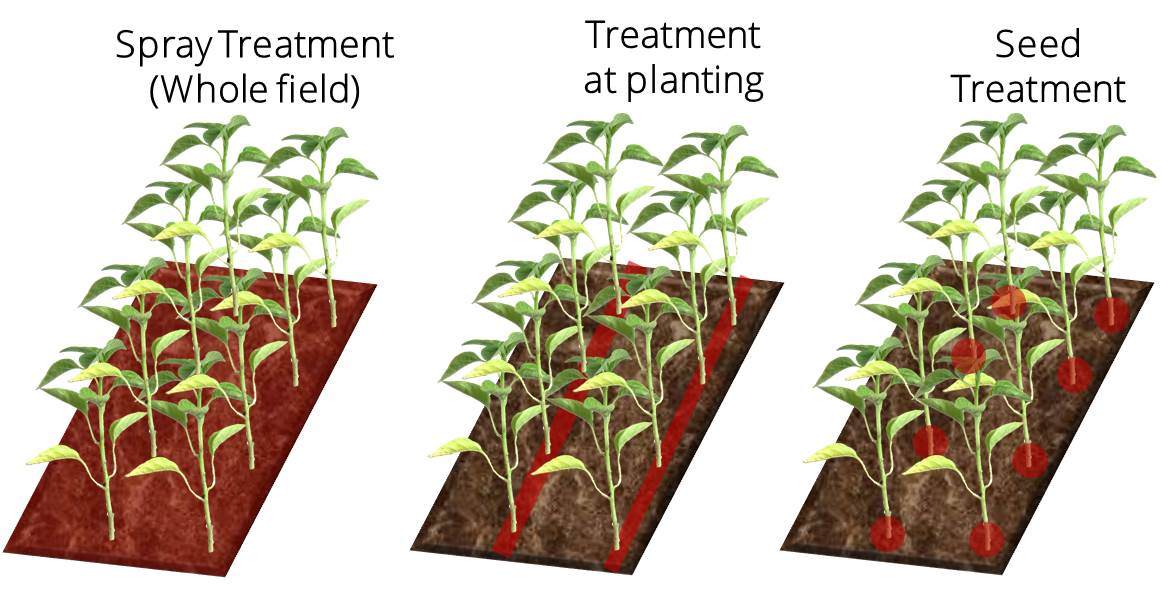
Seed treatment is a critical agricultural practice that involves the application of various treatments to seeds before planting. This process is designed to enhance seed performance, protect young seedlings, and ultimately improve crop productivity. Seed treatment techniques have evolved significantly over the years, with advancements in science and technology paving the way for innovative and sustainable solutions in modern agriculture.
Importance of Seed Treatment
The importance of seed treatment cannot be overstated. By treating seeds, farmers can safeguard their crops against pests, diseases, and environmental stressors during their vulnerable early growth stages. Seed treatments can also boost seed vigor, stimulate early root development, and foster better nutrient uptake, contributing to stronger and healthier plants. Moreover, seed treatments can reduce the need for excessive pesticide applications, promoting environmentally friendly and economically viable farming practices.
Types of Seed Treatment
-
Chemical Seed Treatment: This approach involves the application of chemical substances, such as fungicides, insecticides, and nematicides, to the seed surface. Chemical seed treatments offer protection against seed and soil-borne pathogens, pests, and insects, ensuring better germination rates and overall crop establishment.
-
Biological Seed Treatment: Biological seed treatments utilize beneficial microorganisms, such as bacteria and fungi, to protect seeds and seedlings from harmful pathogens. These biocontrol agents establish symbiotic relationships with plants, enhancing their natural defense mechanisms and contributing to sustainable pest management.
-
Physical Seed Treatment: Physical treatments encompass various non-chemical methods, including seed pelleting, priming, and coating. Pelleting enhances seed size for easier planting, while priming improves seed hydration, speeding up germination. Seed coating involves applying protective materials to seeds, offering additional nutrient support or protection against environmental stressors.
Seed Treatment Application Techniques
-
Film Coating: Film coating involves the application of a thin protective layer around the seed. This layer can contain various additives, such as fungicides, insecticides, micronutrients, and growth regulators, tailored to the specific needs of the crop.
-
Encrusting: In encrusting, seeds are coated with a thick layer of protective material, providing enhanced protection and nutrient supply. This technique is commonly used for small-sized seeds.
-
Inoculation: Inoculation refers to the introduction of beneficial microorganisms onto the seed surface or into seed treatment materials. It aids in nitrogen fixation, promoting plant growth and soil fertility.
Conclusion
Seed treatment is a vital aspect of modern agriculture, fostering sustainable farming practices, higher crop yields, and global food security. The judicious application of seed treatment techniques empowers farmers to face challenges such as pests, diseases, and adverse environmental conditions. As technology and research continue to advance, seed treatments are poised to become even more efficient, environmentally friendly, and instrumental in supporting a thriving agricultural sector. With the adoption of these innovative practices, we can build a greener, healthier, and more prosperous future for agriculture and our planet.