Revolutionizing Agriculture: The Power of Agricultural Testing in Boosting Crop Productivity and Sustainability

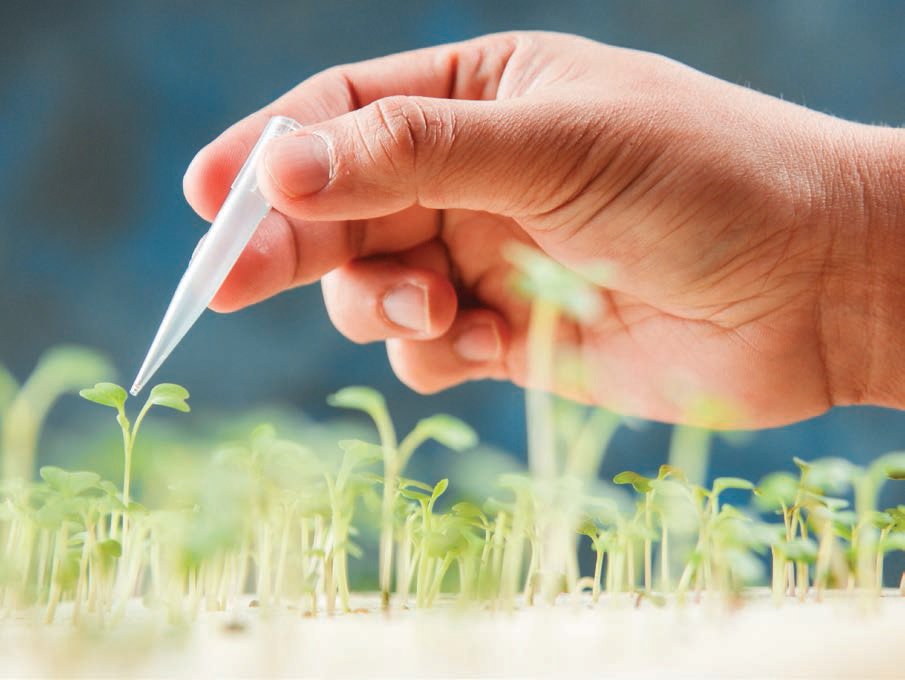
Agriculture, the backbone of our civilization, has come a long way from its traditional practices. Today, it stands at the crossroads of technology and innovation, where every advancement has the potential to reshape its landscape. One such transformative practice that holds immense promise is agricultural testing. This process involves the comprehensive analysis of soil, water, and crops to make informed decisions that can significantly enhance productivity and sustainability.
In the past, agriculture was often a game of chance, with farmers relying on traditional knowledge and guesswork. However, the introduction of agricultural testing has revolutionized this scenario. Soil testing, for instance, has emerged as a game-changer. By analyzing soil samples for nutrient content, pH levels, and microbial activity, farmers can now determine the exact requirements of their fields. This precision allows for tailored fertilization strategies, minimizing waste and reducing environmental impact. It's a win-win, as crops thrive with the nutrients they need, and the land remains healthy for future cultivation.
Water, another invaluable resource in agriculture, can be managed more efficiently through testing. With the growing water scarcity concerns, knowing the quality and suitability of water for irrigation is vital. Through water testing, farmers can identify contaminants or excessive mineral content that could hinder crop growth. This knowledge enables them to choose appropriate irrigation methods and even implement remediation measures to ensure optimal water quality.
Agricultural testing doesn't stop at soil and water; it extends its benefits to the crops themselves. Plant tissue testing involves analyzing plant samples to gauge their nutrient uptake efficiency. This real-time feedback loop allows farmers to adjust their fertilization plans during the growing season, preventing nutrient deficiencies and maximizing yield potential. Additionally, early detection of diseases or pests through crop testing enables timely interventions, safeguarding the harvest and preventing potential epidemics.
The integration of technology has further amplified the impact of agricultural testing. Geographic Information Systems (GIS) and remote sensing technologies can provide detailed maps of soil variations and crop health across a field. This spatial data empowers farmers to implement site-specific management practices, ensuring that resources are applied precisely where needed. Drones equipped with sensors can swiftly collect data from large areas, allowing for rapid assessment and action.
The benefits of agricultural testing extend beyond immediate financial gains. Sustainable farming practices have gained traction in recent years, driven by the need to protect the environment and ensure long-term food security. Agricultural testing plays a pivotal role in this paradigm shift. By enabling precision agriculture, where resources are used judiciously, it minimizes the ecological footprint of farming. Reduced fertilizer usage leads to decreased runoff, which, in turn, prevents water pollution. Moreover, healthier soils and crops contribute to carbon sequestration, mitigating the impact of agriculture on climate change.
In conclusion, the era of blind agricultural practices is fading into the past, making way for a new age of informed decision-making. Agricultural testing is the beacon guiding this transition. With its ability to provide accurate insights into soil health, water quality, and crop vitality, it empowers farmers to cultivate with precision and care. As technology continues to evolve, the potential for even more advanced testing methods and data analysis techniques is vast. As a society, we must recognize the significance of agricultural testing in creating a sustainable and bountiful future for all.
.