Formic Acid: A Transformative Agent in Agriculture, Medicine, and Green Chemistry

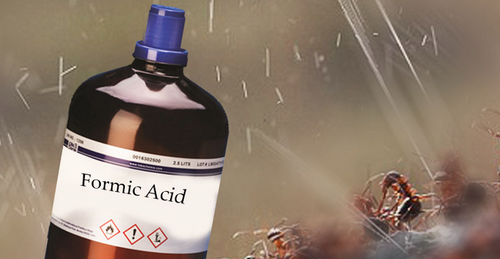
Formic acid, with its chemical formula HCOOH, is a colorless, pungent-smelling liquid that plays a significant role in various aspects of our lives. Named after its occurrence in red ants (Formicidae), this organic acid has a rich history and a diverse range of applications. From its origins in nature to its vital role in modern industries, formic acid continues to captivate the attention of scientists, researchers, and industrialists alike.
Natural Occurrence and Extraction
Formic acid has a fascinating origin, as it can be found naturally in various living organisms, including certain insects, plants, and even some mammals. Among the most well-known sources are ants, where it is a crucial part of their defensive mechanisms. When provoked, ants release formic acid as a deterrent against predators.
In addition to its presence in nature, formic acid can also be extracted through various synthetic processes. One common method involves the reaction of carbon monoxide and sodium hydroxide, yielding sodium formate, which is then treated with sulfuric acid to obtain formic acid. This synthetic approach allows for large-scale production to meet industrial demands.
Industrial Applications
Formic acid's versatility makes it an indispensable compound in several industries. One of its primary uses is in the leather industry, where it acts as a tanning agent. The acid's ability to preserve and soften leather has made it a popular choice for centuries.
In agriculture, formic acid finds application as a livestock feed preservative. It aids in preserving animal feed, ensuring its quality and nutritional value over extended periods. Moreover, formic acid's antimicrobial properties help prevent the growth of harmful bacteria and mold in the feed.
Formic acid also plays a crucial role in the chemical industry. It serves as a reducing agent, and its powerful properties are exploited in various chemical reactions. Additionally, it is used in the production of various chemicals, such as formates, methanol, and other esters.
Green Chemistry and Environmental Significance
In recent years, formic acid has gained attention in the context of green chemistry and sustainable practices. As a biodegradable and environmentally friendly compound, it offers an attractive alternative to some traditional chemical agents that may be more harmful to the environment.
Formic acid can be used as an eco-friendly solvent in certain chemical processes, reducing the need for hazardous chemicals and minimizing the ecological impact. Its biodegradability ensures that it does not persist in the environment, making it a preferred choice for certain applications.
Conclusion
Formic acid's unique attributes and diverse range of applications make it a truly remarkable compound. From its origin in nature as a defense mechanism for ants to its indispensable roles in leather tanning, agriculture, and green chemistry, formic acid continues to shape various industries. As scientists and researchers explore its potential further, it is likely that formic acid will continue to contribute significantly to sustainable practices and advancements in chemistry and industry.