Biostimulants: Pioneering the Green Revolution through Enhanced Plant Vitality

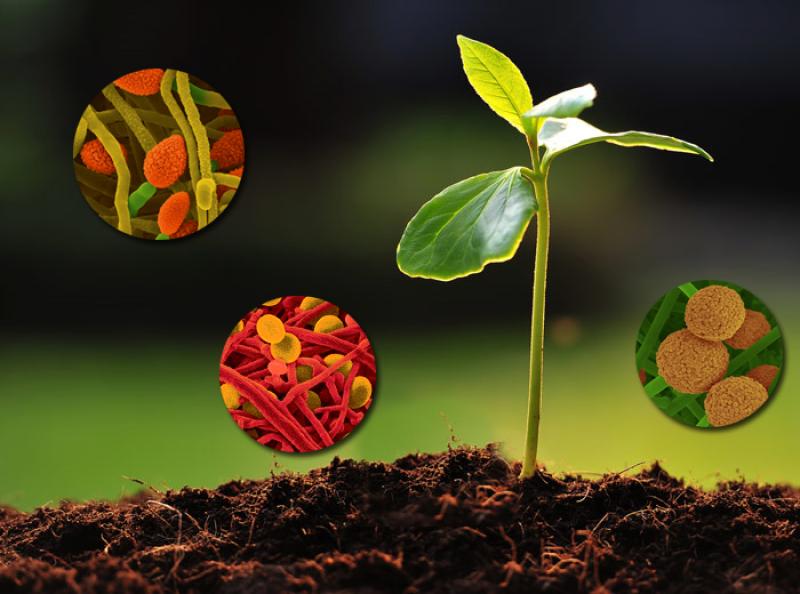
Biostimulants have emerged as a revolutionary solution in modern agriculture, tapping into the natural processes of plants to enhance their growth and overall productivity. Unlike fertilizers, which primarily provide essential nutrients, biostimulants are complex formulations that encompass a wide range of substances. These substances work synergistically to stimulate plant growth, improve nutrient uptake, increase tolerance to abiotic stress, and enhance crop quality. In this article, we will delve into the world of biostimulants, exploring their mechanisms of action, types, and applications in modern agricultural practices.
What are Biostimulants?
Biostimulants are defined as naturally derived or microorganism-based substances that, when applied to plants or the rhizosphere, stimulate physiological processes that benefit overall plant growth and development. They are not considered fertilizers, as they do not contain primary nutrients like nitrogen, phosphorus, and potassium. Instead, biostimulants are enriched with various compounds, such as amino acids, humic and fulvic acids, seaweed extracts, vitamins, and enzymes, which play essential roles in promoting plant growth and resilience.
Mechanisms of Action:
Biostimulants work through a multifaceted approach, targeting different plant functions to optimize growth and productivity. Some key mechanisms of action include:
Enhanced Nutrient Uptake: Biostimulants facilitate nutrient uptake by improving root system development and increasing the availability of essential nutrients in the rhizosphere.
Stress Tolerance: Biostimulants help plants cope with abiotic stress factors, such as drought, salinity, and extreme temperatures, by enhancing stress response mechanisms.
Induced Metabolism: These substances trigger specific metabolic pathways, leading to the production of growth-promoting substances like phytohormones.
Microbial Interactions: Biostimulants foster beneficial interactions with soil microorganisms, promoting nutrient cycling and disease resistance.
Types of Biostimulants:
Biostimulants come in various forms, each designed to address specific plant requirements and growth stages. Some common types include:
Seaweed Extracts: Rich in micronutrients, minerals, and growth-promoting hormones, seaweed-based biostimulants enhance root growth, stress tolerance, and nutrient uptake.
Humic and Fulvic Acids: These substances improve soil structure, nutrient availability, and water retention, thereby supporting plant development.
Amino Acids: Essential for protein synthesis, amino acid-based biostimulants boost plant growth, photosynthesis, and stress resistance.
Microbial Biostimulants: These formulations contain beneficial microorganisms, such as mycorrhizal fungi and plant growth-promoting bacteria, which aid nutrient absorption and protect plants from pathogens.
Applications in Agriculture:
Biostimulants have found applications in diverse agricultural systems, including conventional, organic, and sustainable practices. They can be used on various crops, such as cereals, fruits, vegetables, and ornamentals, to improve yield, crop quality, and resilience to environmental stresses. Additionally, biostimulants are employed during critical growth stages, such as seed treatment, transplanting, and flowering, to maximize their beneficial effects.
Conclusion:
Biostimulants represent a groundbreaking approach to sustainable agriculture, harnessing nature's wisdom to optimize crop productivity and minimize environmental impacts. As the demand for food production rises amid a changing climate and depleting resources, biostimulants offer a promising solution to meet global agricultural challenges. By integrating biostimulant applications into modern farming practices, farmers can unlock the full potential of their crops, fostering a more resilient, productive, and eco-friendly future for agriculture.