Aquafeed: Pioneering Sustainable Solutions for Thriving Aquaculture

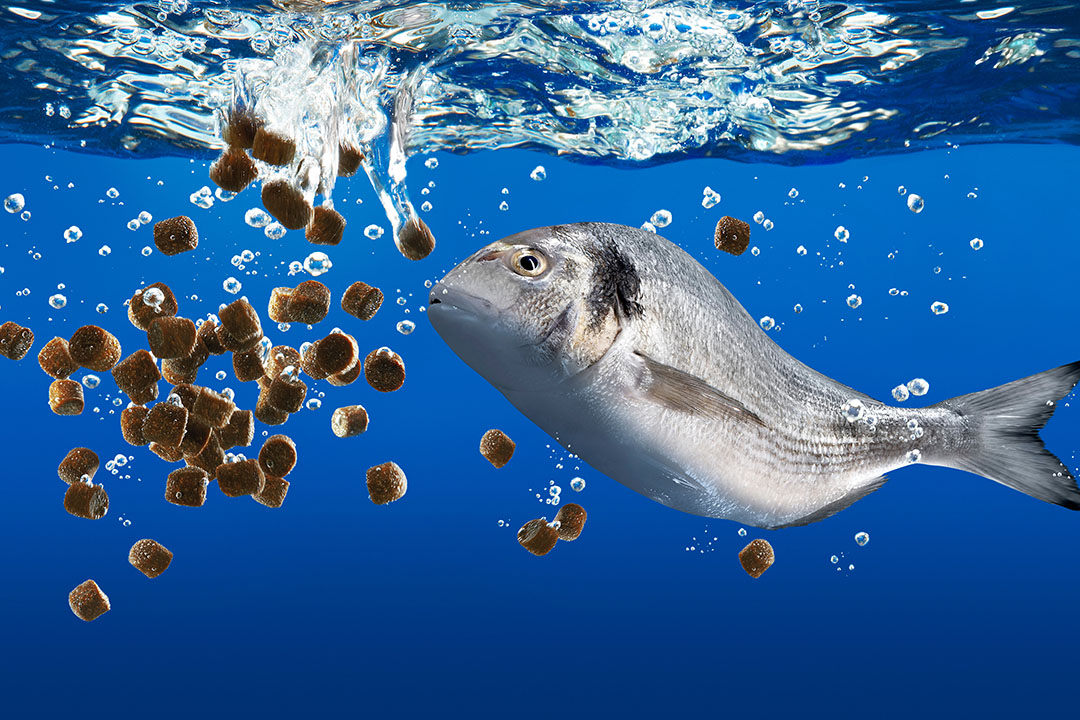
Aquafeed: Nourishing Aquaculture for Sustainable Growth
Aquafeed, also known as fish feed, is a crucial element in the aquaculture industry, playing a pivotal role in supporting the growth and development of various aquatic species. With the increasing demand for seafood and the depletion of natural fish stocks, aquafeed has emerged as a sustainable solution to meet the world's growing protein needs while reducing pressure on wild fisheries. This article delves into the significance of aquafeed, its composition, production process, and its role in promoting sustainable aquaculture practices.
Importance of Aquafeed:
Aquafeed forms the backbone of modern aquaculture, supporting the rapid expansion of the industry. Unlike wild fish, which can scavenge for their food, farmed fish require a carefully balanced and nutritious diet to ensure optimal growth, health, and productivity. Aquafeed provides essential nutrients such as proteins, lipids, carbohydrates, vitamins, and minerals, all of which are tailored to meet the specific dietary requirements of different aquatic species at various life stages.
Composition of Aquafeed:
Aquafeed is formulated using a variety of ingredients, often derived from both plant and animal sources. Common components include fishmeal, fish oil, soybean meal, corn gluten meal, wheat, and other grains. Innovations in aquafeed formulation have also led to the use of alternative protein sources, like algae and insect meal, to reduce dependency on wild-caught fish for feed production, making aquaculture more sustainable.
The Aquafeed Production Process:
The production of aquafeed involves several stages, starting with ingredient selection and grinding to create a homogeneous mixture. Subsequently, the mixture is subjected to heat and pressure during the extrusion process to improve digestibility and eliminate potential pathogens. After cooling and drying, the aquafeed is typically pelletized for ease of handling, storage, and feeding.
Advancements in Aquafeed Technology:
Continuous research and development have led to significant advancements in aquafeed technology. Modern aquafeed is designed not only to promote faster growth but also to enhance the immune system, reduce waste output, and minimize environmental impact. Moreover, precision feeding techniques are being developed to provide the right amount of nutrients to fish at different developmental stages, ensuring efficient feed utilization and minimizing excess nutrients in the water.
Contributing to Sustainable Aquaculture:
Aquafeed plays a vital role in advancing sustainable aquaculture practices. By providing a balanced and nutritious diet, it promotes better growth rates, shorter production cycles, and higher yields, reducing the industry's reliance on wild-caught fish for feed resources. Sustainable aquafeed also supports responsible fish farming by mitigating environmental impacts and reducing the risk of disease outbreaks, thereby maintaining the overall health of the aquatic ecosystem.
Conclusion:
Aquafeed serves as a fundamental component in the success of modern aquaculture, providing the essential nutrients required for the healthy growth and development of farmed fish and other aquatic species. As the demand for seafood continues to rise, the evolution of sustainable aquafeed formulations and production practices remains crucial to ensure the long-term viability of the aquaculture industry while preserving our marine resources for future generations. With ongoing research and innovation, aquafeed continues to contribute to a more sustainable and resilient global food system.