Advanced Wound Care Management Market Insights: Redefining Patient Care

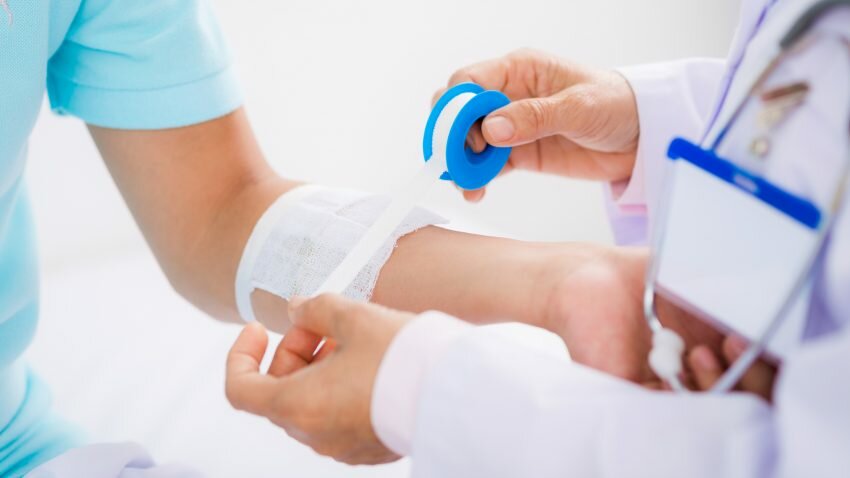
The advanced wound care management market offers wound care products such as films, hydrogels, hydrocolloids, alginates, foams, and others, which help in faster healing of acute and chronic wounds such as pressure ulcers, diabetic foot ulcers, and surgical wounds. Advanced wound care products aid in maintaining a moist wound environment that encourages wound healing. They protect the wound from external bacteria and fluids and help manage non-healing wounds effectively. The growing geriatric population prone to chronic diseases and subsequent wounds is a key driver boosting demand.
The Global advanced wound care management market is estimated to be valued at US$ 15.11 Bn in 2024 and is expected to exhibit a CAGR of 7.0% over the forecast period 2024 to 2031.
Key Takeaways
Key players operating in the advanced wound care management are Johnson & Johnson Services, Inc., 3M, Baxter, Coloplast A/S, Integra LifeSciences, Medtronic, Omeza, Cardinal Health, Bactiguard AB, Noventure, Essity, Schulke & Mayr GmbH, Smith & Nephew Plc., Convatec Group PLC, SANUWAVE and SANUWAVE Health, Inc., EO2 Concepts, Wound Care Advantage, LLC., Healthium Medtech Limited, Arch Therapeutics, Inc., Hydrofera, Sanara MedTech Inc., Axio Biosolutions Pvt Ltd., and Gentell, Inc.
The key opportunities in the market include rise in diabetic population worldwide, growing incidence of obesity, and technological advancement in wound care products. Innovations are enabling advanced measurements of wound conditions and developing tailored treatment plans.
The global advanced wound care management market is expanding rapidly with increasing awareness and healthcare expenditure. Major players are investing in emerging economies in Asia Pacific and Latin America for market penetration. Improving reimbursement policies will further aid market growth in developing nations.
Market Drivers
The advanced wound care management market is witnessing high growth driven by the growing geriatric population susceptible to chronic conditions and wounds. As per WHO, the number of people aged 65 years and above is expected to rise from 703 million in 2019 to 1.5 billion by 2050. Older individuals have weaker immune systems making wound healing a challenge. Therefore, the aging demography will continue boosting demand for advanced wound management in the forecast period.
PEST Analysis
Political: Advanced wound care products are regulated by various agencies like the FDA which ensures safety and efficacy of the products. Stringent regulations and guidelines related to testing, production and marketing of these products impact their availability and cost.
Economic: Growing geriatric population and increasing incidence of chronic diseases like diabetes are driving the demand for advanced wound care products. However, high costs of newer technologies and limited reimbursements pose economic challenges.
Social: With increasing health awareness, patients are accepting advanced wound care therapies for faster healing which is changing the treatment landscape. Growing preference for home healthcare is boosting the home use of these products.
Technological: Continuous research and development has led to launch of novel wound dressings, grafts, therapies and devices with better infection control properties, ease of use and accelerated healing. Technologies like nanocoatings, active therapies and smart sensors are expanding treatment options.
The market in terms of value is concentrated majorly in North America, Europe and Asia Pacific region. North America dominates the global advanced wound care management market and accounts for more than 40% of the total market share majorly due to increasing prevalence of chronic wounds, diabetes and burn cases along with growing geriatric population and presence of advanced healthcare infrastructure.
The Asia Pacific region is poised to grow the fastest during the forecast period mainly because of the large patient population suffering from chronic diseases, rapidly improving healthcare facilities and increasing willingness of people to spend on their health. Rising number of trauma injuries, diabetic foot ulcers and burn cases along with improving awareness on advanced wound care therapies will continue driving the demand in Asia Pacific region.