Understanding NTP Servers and Their Importance in Network Synchronization

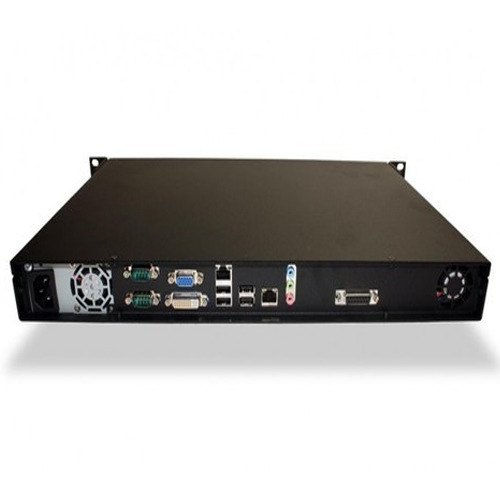
What is an NTP Server?
An Network Time Protocol (NTP) server is a networked device or program used to synchronize the clocks of other devices and maintain a coherent unified time across a computer network.
NTP uses a client-server architecture where client devices request the correct time from a server which is synchronized to an accurate external time source like atomic clocks or GPS. NTP Server helps all devices on the network to maintain accurate and consistent time even if their internal clocks may drift out of sync over time. Let us understand more about NTP servers market and their role in maintaining accurate system time.
Why is Accurate Time Synchronization Important?
In today's digital world where multiple systems and devices are interconnected, accurate and consistent timekeeping has become mission-critical for businesses. Many business applications and services rely on time stamps to function properly. Inaccurate system time can lead to issues like:
- Transaction errors: Financial transactions need correctly time-stamped data to process orders, payments and book entries accurately. Incorrect timestamps can cause duplicate or failed transactions.
- Security failures: Network security protocols like digital certificates and encrypted communications rely on synchronized time for purposes like validating certificate expiration dates. Unsynchronized clocks weaken security defences.
- Log file inconsistencies: Server and network device logs record events with timestamps. Unsynchronized clocks can generate log files that don't match, hampering troubleshooting and forensic analysis.
- Scheduling conflicts: Applications schedule tasks, backups, software/firmware updates based on time. Unsynchronized systems can cause scheduled jobs to fail or overlap unexpectedly.
- Compliance issues: Industries like finance and healthcare have regulatory compliance requirements for audit trails that mandate accurate time stamps on sensitive records and transactions. Unsynchronized systems raise compliance risks.
Selecting an NTP Server
When deploying an NTP infrastructure, businesses must choose reliable NTP server sources. Public NTP server pools provide free time services but lack the accuracy, reliability and support of dedicated network time servers. Organizations have these main options:
- Hardware NTP Appliance: Network time server appliance placed on-premises synchronized to an atomic clock or GPS. Provides highest accuracy and control. Requires hardware costs and maintenance.
- Cloud-based NTP Service: NTP service hosted remotely in the cloud synchronized to multiple atomic clocks and GPS. Offers 99.9%+ uptime SLA at low costs but involves Internet dependency.
- Hybrid NTP Solution: Combination of cloud and appliance servers where clients can fallback to the appliance in case the cloud service goes offline. Balances on-prem control with cloud benefits.
- Public NTP Pool: Last option for non-critical systems which can tolerate some time drift. Free but synchronization depends on availability of volunteer servers.
Implementing the NTP Infrastructure
Once the NTP sources are selected, organizations must deploy the time service across their network. This involves:
- Stratifying networks: Segregating clients by criticality and placing most synchronized devices near the NTP source reduces time variance.
- Configuring clients: Point client systems to selected NTP servers and set polling intervals based on clock accuracy needs.
- Load balancing servers: Distribute query load across multiple NTP servers for reliability using anycast IP addressing.
- Firewall rules: Open specific ports used by NTP to allow traffic between servers and clients.
- Monitoring platform: Track NTP service health and latency SLA using dedicated monitoring tools. Alert on any server failures or client outages.
- Periodic auditing: Regular audits ensure NTP configs are valid, systems are synchronized as intended and logs analyzed for any anomalies.
With network sizes increasing exponentially, an automated and centrally managed NTP infrastructure ensures all business systems remain secure and compliant by keeping accurate and consistent time across the organization at all times.
As accurately synchronized time becomes increasingly critical for modern internet-reliant applications, the market for NTP servers and solutions continues to grow worldwide. While North America has historically dominated the NTP market, regions such as Europe and Asia Pacific are witnessing faster adoption rates. Key factors driving this growth include increasing digitization of enterprises, rapid infrastructure expansion, stringent industry compliance requirements, high-performance application needs and focus on operational efficiency through network automation. However, certain socio-political factors in developing economies continue to act as a hindrance. The global NTP server market report by Coherent Market Insights provides a comprehensive analysis of technological innovations, changing industry regulations and comprehensive country-level market survey, representing an insightful reference for key stakeholders.
Get More Insights on NTP Servers